Web Summit Lisbon 2026: robots on stage, a storm day, and what we’re taking home

Our team spent this week in Lisbon at Web Summit 2026. Organisers expected close to 70,000 attendees, 900 speakers and more than 2,000 startups (Euronews). It was also an unusual edition. Humanoid robots were billed as speakers, China had the biggest presence on the programme, and Storm Charles cancelled a whole day.
We went to Lisbon to see where the next tech storm is heading. We didn’t expect to get caught in a real one.
Below is our day-by-day recap, followed by what it changes in how we approach AI and automation work.
Opening night: robots on Centre Stage
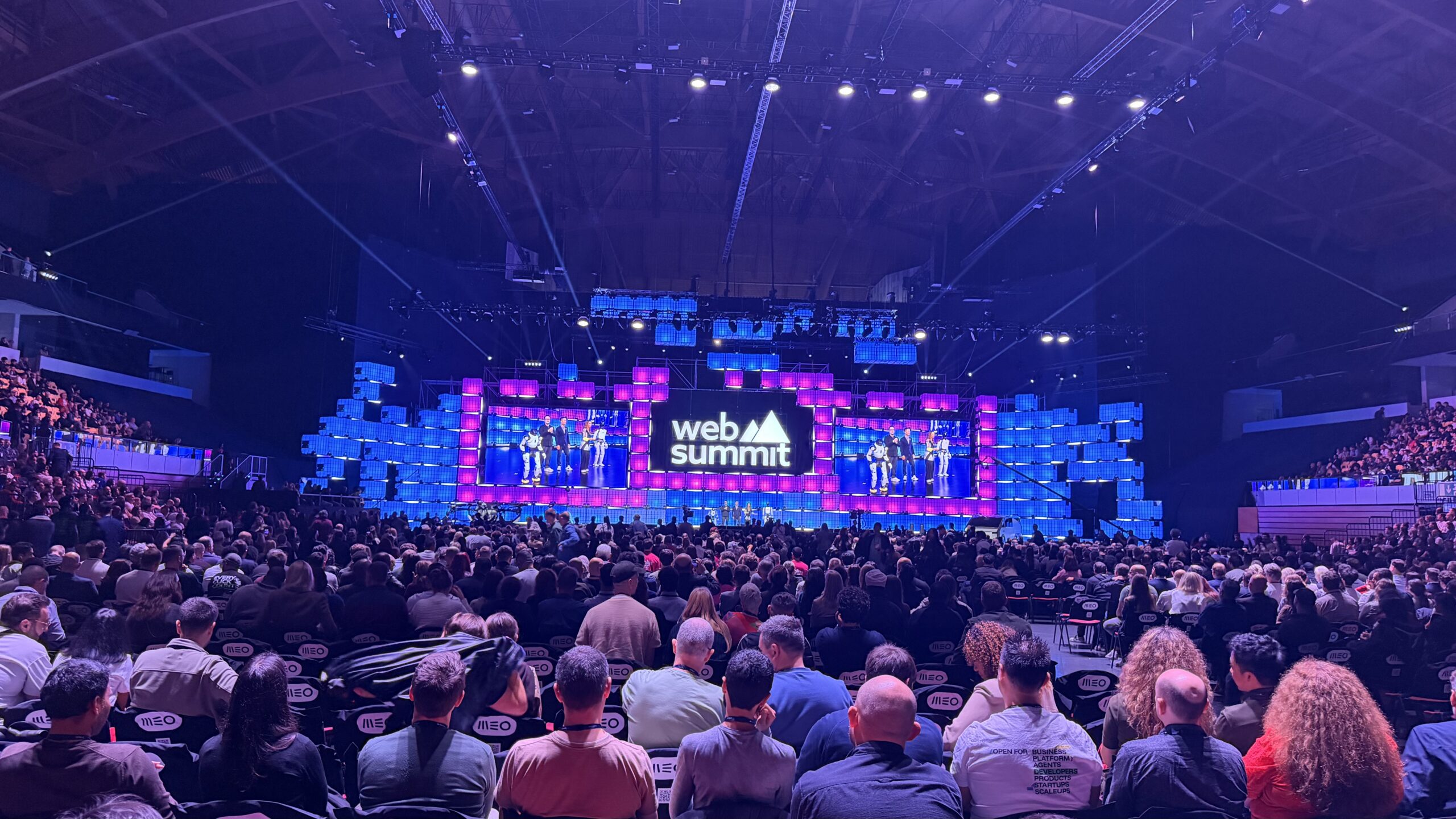
Monday night opened with a dance routine by AgiBot humanoid robots. This year, for the first time, robots were also listed as official speakers (Euronews). The focus is moving away from AI that writes text and generates images, toward machines and agents that act in the physical world. Galbot, for example, showed a wheeled robot with two arms that it says can work shifts in shops, pharmacies and factories.
Web Summit founder Paddy Cosgrave told the arena that the “superstars of the future” are increasingly coming from China, not California (Euronews). China sent its largest delegation yet, with companies including Unitree, Xiaomi, Tencent, XPeng and Pony.ai (Xinhua).
Day 1: agents, chips and AI as a traffic source
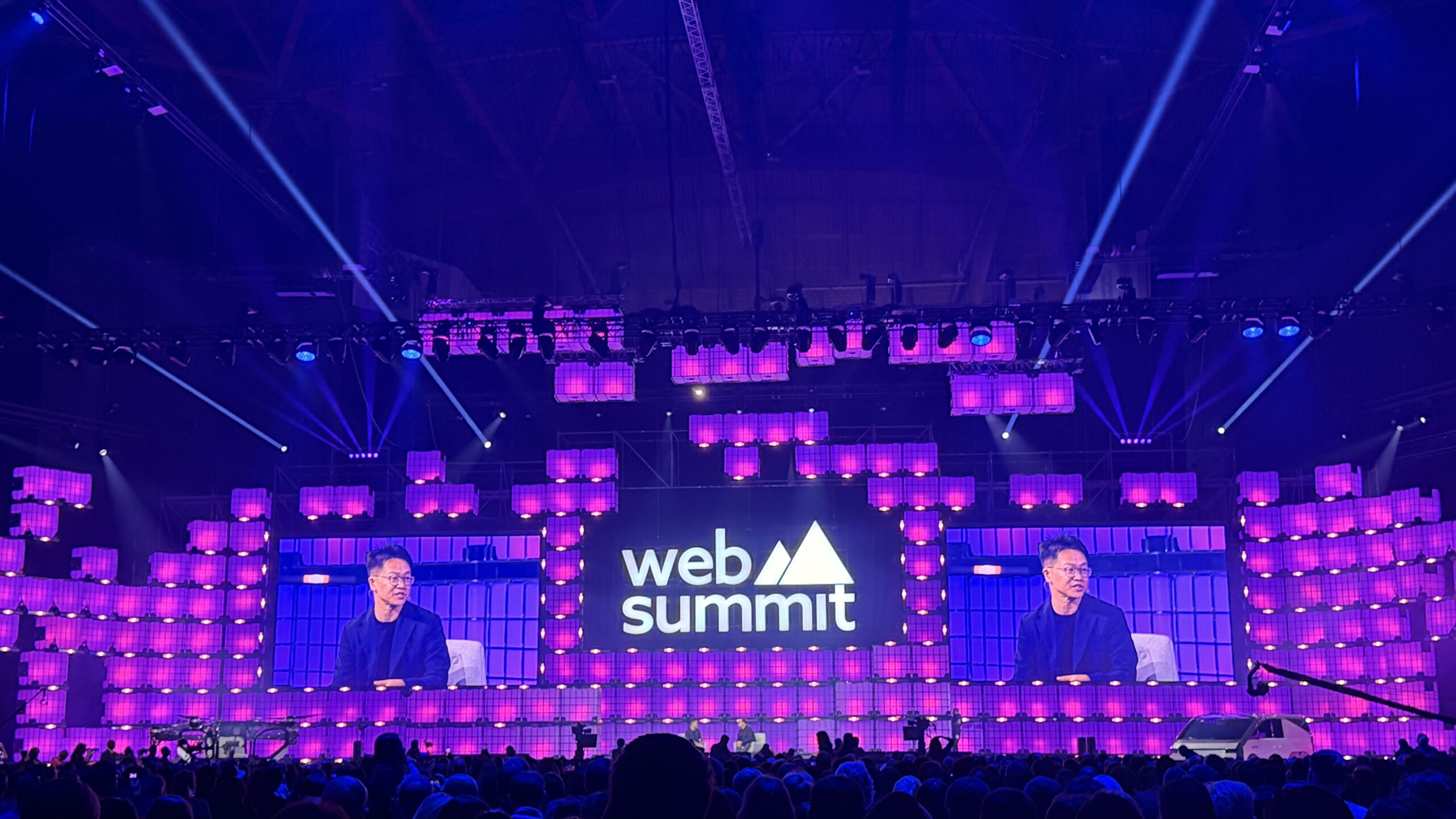
Three things from Tuesday’s programme matter for anyone running a digital business.
AI agents are producing real output. Manus showed a tool that turned a 13-word prompt into a 30-second video. Co-founder Tao Zhang summed up the hiring shift: “We don’t need more people; we need people who can work with AI” (Euronews).
The Nvidia story overshadowed the day. Spying allegations linked to CEO Jensen Huang, which Beijing denied, dominated the conversation, and Nvidia shares fell more than 5% that afternoon. Several Chinese executives used the moment to point to a wider range of chip makers (AFP via edition.mv).
AI assistants are sending paying readers. Louis Dreyfus, CEO of the Le Monde group, said ChatGPT has boosted Le Monde’s subscriber count 13 times more than Google search (Irish Times). That’s one publisher’s numbers, not a rule. Still, if your business depends on being found online, it’s a good reason to start tracking traffic from AI assistants alongside search.
Day 2: cancelled by Storm Charles
There was no conference on Wednesday. Portugal’s government advised Web Summit not to run Day 2 because of Storm Charles. It cited the risk of tidal flooding, severe disruption to public transport and high winds on external structures (Deadline). Schools and non-essential public services closed, and Portugal’s weather service forecast gusts of up to 120 km/h (The Next Web).
Day 3: a crowded finale
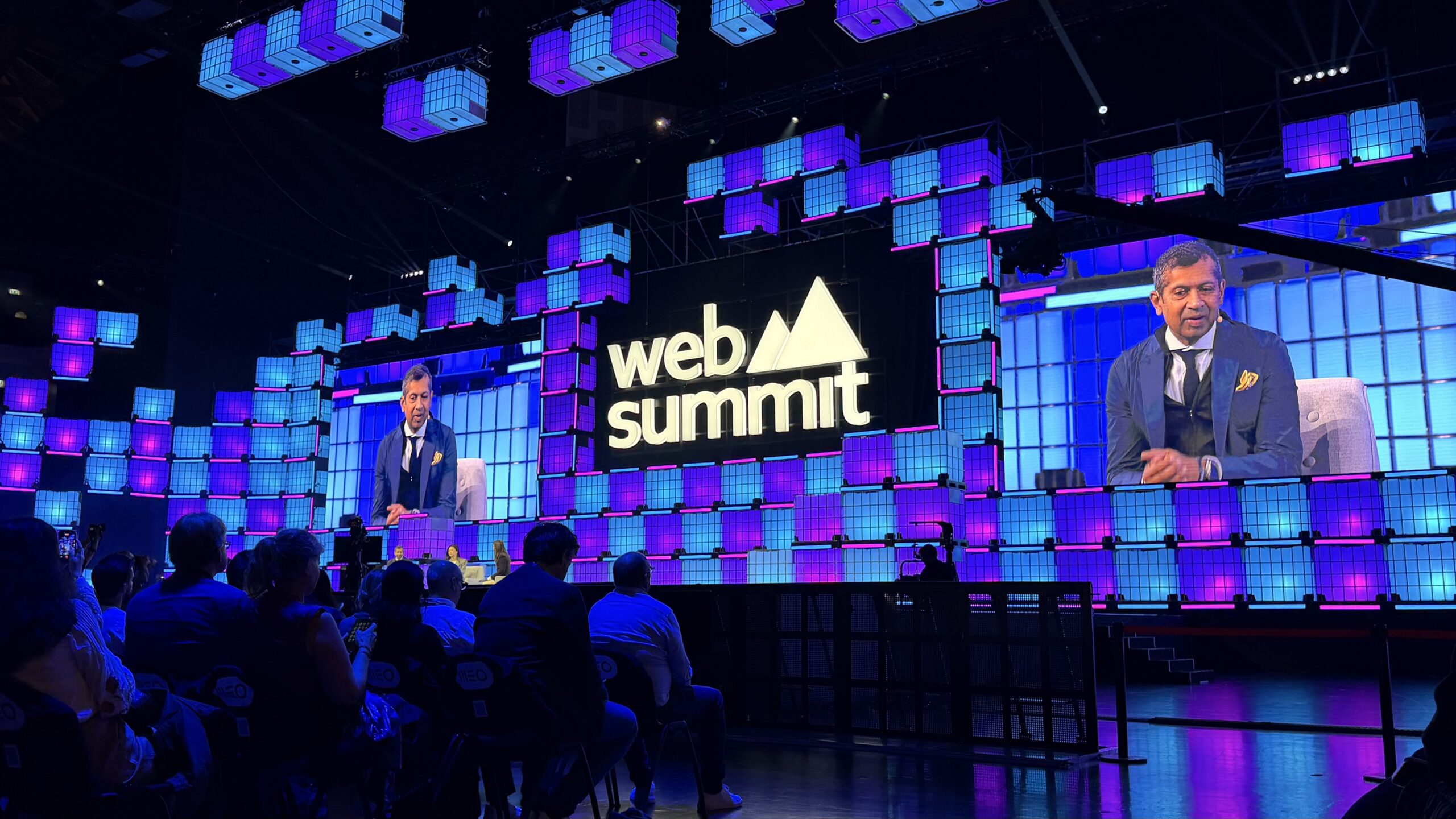
Web Summit reopened on Thursday for what organisers called their busiest closing day ever. Sessions moved from Wednesday ran alongside the PITCH startup final (TechTimes).
At the Policy Summit, investors Patrick Boyle and Adam Kobeissi discussed the coming wave of AI company IPOs. Boyle argued that the cost of data centres and power, more than prestige, is pushing AI firms toward public markets. He also asked whether the profits will go to the AI labs or to the businesses that use AI well (Essential Business).
One number from Web Summit’s own industry survey sums up where most teams are: 60% of respondents said AI had increased their workload (The Next Web).
What this means for AI and automation projects
The week showed both sides of AI. Agents can finish real tasks, and robots are being pitched for shop floors. But the infrastructure bill is huge, nobody knows yet who will profit, and most people surveyed say AI has made them busier.
That gap between what AI can do and the time it actually saves is where we spend most of our effort at LeLaboDigital. Our AI and automation projects start with a plain question: which tasks, if automated, would save your team time or make you money, and how will we know it worked?
What we’re taking home from Lisbon:
- Start with the workflow, then pick the tool. An agent is only worth building for a clear, repeated job.
- Measure from week one. If AI adds work before it saves any, you need the data to see when that changes.
- Train the team you have. The Manus point about hiring people who can work with AI applies just as much to upskilling current staff.
- Track AI assistants as a traffic source. Le Monde’s numbers are one case, but they’re reason enough to measure it.
Talk to us
If you’re trying to work out where AI or automation would pay off in your business, get in touch with the LeLaboDigital team.